
Live Floating Spread vs Fixed Spread: What is the Difference?

Understanding spreads in Forex trading is something every trader needs to know.
So, let’s break it down together. In this article, we’ll guide you through the differences between fixed and floating spreads and explore the pros and cons of each. In simple terms, the spread is the difference between the buy (ask) and sell (bid) prices.
This difference is the commission that brokers earn for facilitating trades.
Now, spreads can either be fixed or floating, and each has its own set of benefits and drawbacks. Let’s dive in and explore both.
What is a Spread in Forex?
In Forex trading, the spread is a critical concept. It represents the cost of trading and is a source of income for brokers. The spread is taken immediately when a trade is opened, whether it is a buy or a sell trade.
The spread can either be fixed, where it remains constant, or floating, where it varies based on market conditions.
Let’s look at each type of spread one by one.
Fixed Spread
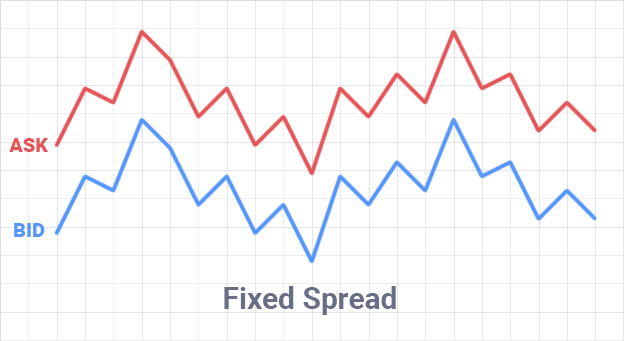
A fixed spread stays the same no matter what’s happening in the market. It’s set by the broker and won’t change, even when the market gets really volatile.
But fixed spreads are becoming less common and are often seen as outdated. They might indicate that you’re not actually trading in the real market but rather against the broker since real market conditions usually cause spreads to fluctuate.
Pros of Fixed Spread:
- Predictability: You’ll know in advance how much commission you’ll pay, which makes it easier to figure out your trading costs.
- Stability: Since the spread stays the same, it can be helpful when the market is volatile.
Cons of Fixed Spread:
- Higher Costs: Fixed spreads are usually higher than the lowest floating spreads.
- Limited Trading: Brokers might restrict trading during news releases to protect themselves from sharp market movements.
- 4-Digit Pricing: Fixed spread accounts often use 4-digit pricing, which isn’t as precise as 5-digit pricing.
- Outdated Model: Fixed spreads are becoming less common and can suggest you might be trading against the broker instead of the real market.
Floating Spread
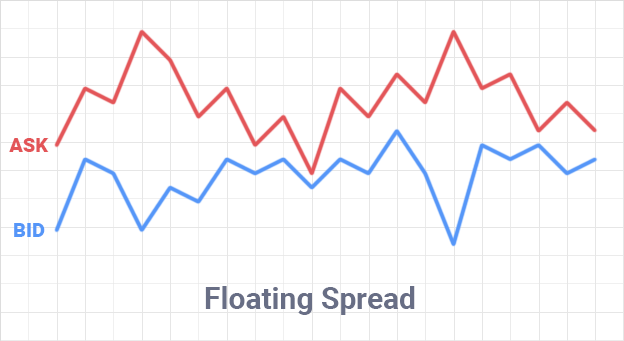
A floating spread, or variable spread, changes with market conditions. It might be lower when the market is calm and higher when things get busy.
Because floating spreads better reflect the true state of the market, they’re more commonly used in today’s trading.
Pros of Floating Spread:
- Lower Costs: Floating spreads are often lower than fixed spreads when the market is stable, helping to cut down on trading costs.
- Precision: Accounts with floating spreads usually offer 5-digit pricing, giving you more accurate price movements.
- Real Market Conditions: Floating spreads adjust to real market conditions, giving you a more authentic trading experience.
Cons of Floating Spread:
- Volatility: When the market is volatile or during news releases, floating spreads can widen a lot, which can increase your trading costs.
- Unpredictability: Because floating spreads fluctuate, it can be harder to predict your trading costs.
Which One to Choose?
Choosing between a fixed and a floating spread comes down to your trading style, strategy, and personal preferences. That said, floating spreads are becoming more common in the industry these days.
When to Choose a Fixed Spread:
- Consistency: If you like knowing your trading costs upfront and want stability, a fixed spread might be a better choice.
- News Trading: Fixed spreads can be helpful during news releases since they provide a stable cost no matter how the market moves.
- Rebate Services: If you’re planning to use a rebate service on your account, a fixed spread might offer more favorable terms.
When to Choose a Floating Spread:
- Lower Trading Costs: If you want to keep trading costs down and trade when the market is calm, a floating spread can be more cost-effective.
- Scalping: For scalpers who make lots of trades quickly, the usually lower costs of floating spreads can boost profitability.
- Market Conditions: If you’re okay with market fluctuations and can handle the risk of wider spreads during volatile times, a floating spread is likely the better option.
Our Recommendations
As a trader, your aim is to cut down on trading costs and boost your profitability.
Here are a few tips to help you out:
- Trade Currency Pairs with Low Spreads: Stick to major currency pairs, which usually have lower spreads.
- Monitor Market Conditions: Use tools like the Spread.Warner and News Indicator to keep an eye on live floating spreads and stay informed about market conditions, especially during news events.
- Broker Selection: Pick a reliable broker who makes it easy for you to withdraw your profits.
In practice, trading with floating spreads often costs less than trading with fixed spreads, especially for manual trading. Fixed spreads might seem like a gimmick created by brokers for marketing. As long as your broker lets you withdraw your profits without any issues, choose the spread type that fits your trading style and preferences.
Conclusion
Both fixed and floating spreads have their own pros and cons. Fixed spreads give you stability and predictability, while floating spreads might offer lower costs when the market is calm. The right choice between fixed and floating spreads depends on your trading strategy, how much risk you’re willing to take, and your personal preferences.
By understanding these differences and assessing what you need, you can pick the spread type that best supports your trading goals.